



The ‘Pheromone-Maxxing’ Trend: Why Some Men Are Ditching Showers for Dates
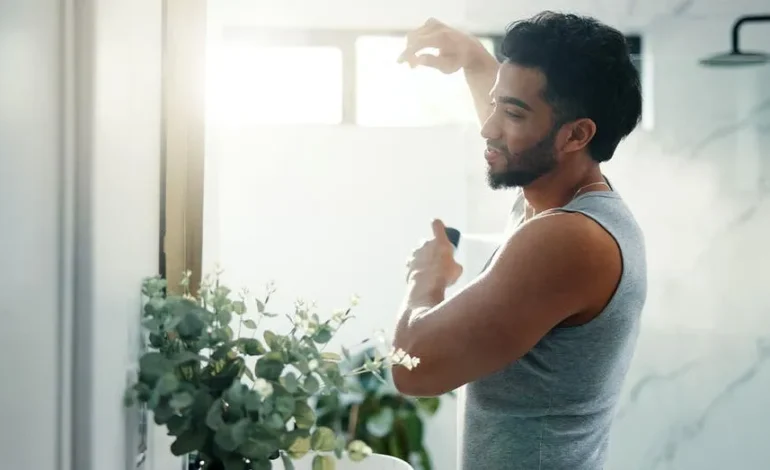

In the ever-evolving landscape of dating advice, a peculiar trend has emerged on social media, prompting some young men to reconsider their pre-date hygiene routines. Dubbed “pheromone-maxxing,” this practice, gaining traction primarily on TikTok, involves intentionally skipping showers and deodorant in the belief that it will enhance natural attractiveness. Some adherents even extend this to wearing unwashed clothing or engaging in more extreme rituals, all in the pursuit of amplifying their inherent scent signals.
Understanding Pheromones and the Theory Behind the Trend
Pheromones are chemical substances released by organisms that can trigger specific social responses in others of the same species. While their role is well-established in the animal kingdom, their impact on human attraction remains a subject of scientific debate. The core idea behind “pheromone-maxxing” is that a man’s natural body odor, or “musk,” is inherently more appealing and attractive to potential partners. The theory suggests that by forgoing hygiene practices like showering and using deodorant, men can allow these natural pheromones to emanate more strongly, thereby increasing their allure.
The Science: What Do Researchers Say?
Scientific inquiry into human pheromones has yielded complex and often inconclusive results. While studies have demonstrated that human body odors and secretions can indeed influence physiological and psychological states in others, a definitive link to consistent, strong behavioral responses, particularly in attraction, has not been established. As reported by Scientific American, researchers have gathered evidence suggesting potential pheromone effects, but a single, universally accepted human pheromone has yet to be identified.
One of the more frequently cited studies in this area is the 1995 “sweaty t-shirt study.” In this experiment, male participants wore t-shirts for several nights, and female participants later rated the odors. The findings indicated a preference among women for the scents of men whose genes related to the major histocompatibility complex (MHC) differed from their own. The MHC plays a crucial role in the immune system and is thought to influence individual body odor. Interestingly, this preference was reversed among women using oral contraceptives, adding another layer of complexity to the research.
Subsequent research has presented a mixed picture. A 2019 study involving nearly 900 couples suggested that individuals from Northern Europe were more inclined to select partners with dissimilar MHC genes. However, a similar pattern was not observed among Israeli couples, leading researchers to speculate that cultural factors, such as historical patterns of arranged marriages, might play a role. Further complicating the matter, a 2020 analysis of existing studies concluded that there was no robust evidence to support the idea that people consistently prefer partners with different MHC genes or find their body odor more attractive.
‘Looksmaxxing’ and the Broader Online Context
“Pheromone-maxxing” is often situated within the broader “looksmaxxing” movement prevalent on social media. This online subculture revolves around optimizing one’s appearance and attractiveness, sometimes through unconventional or extreme methods, including cosmetic procedures, rigorous diets, and, in the case of “pheromone-maxxing,” altered hygiene practices. While “pheromone-maxxing” has recently garnered media attention, the underlying concept has been circulating online for some time. Discussions on platforms like Reddit have often met the trend with skepticism and even repulsion.
Online commentary frequently questions the efficacy and social implications of such practices. Users have expressed bewilderment, asking how natural pheromones are supposed to translate into successful human interactions or if proponents misunderstand the basic principles of hygiene. Concerns about personal hygiene and the importance of teaching cleanliness have also been voiced, with many finding the idea of intentionally smelling unwashed before a social encounter deeply unsettling.
Expert and Public Reactions
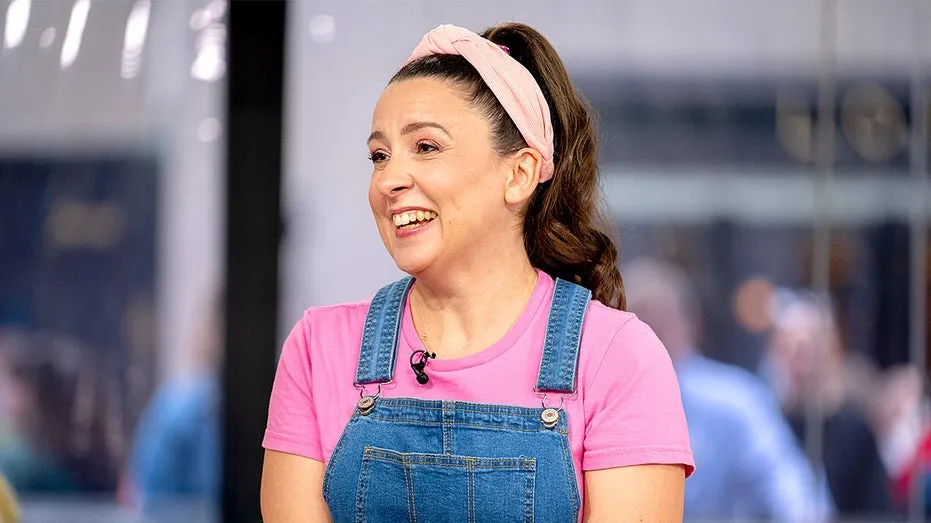
The trend has also drawn commentary from public figures. On a segment discussing the phenomenon, Jesse Watters, a co-host, expressed a preference for traditional hygiene, suggesting a simple shower with soap and shampoo as the ideal pre-date preparation. He advocated against the overuse of cologne, a sentiment echoed by panelist Tyrus, who recommended unscented deodorant. The consensus from this discussion leaned towards maintaining a pleasant, clean scent without being overpowering, emphasizing that while strong cologne can be off-putting, so can a lack of basic cleanliness.
Navigating Attraction: A Balanced Approach
Ultimately, the scientific community has yet to provide a clear consensus on the power of human pheromones in attraction. While the idea of harnessing natural scents is intriguing, the evidence supporting “pheromone-maxxing” as an effective dating strategy remains weak. Most research points towards a complex interplay of genetic factors, personal preferences, and environmental influences that shape attraction. For those preparing for a date, traditional advice emphasizing good hygiene, a pleasant but not overpowering scent, and genuine personal connection likely remains the most reliable path to making a positive impression.