


Sam Altman Proposes 5% OpenAI Stake for U.S. Amid AI Ownership Debate
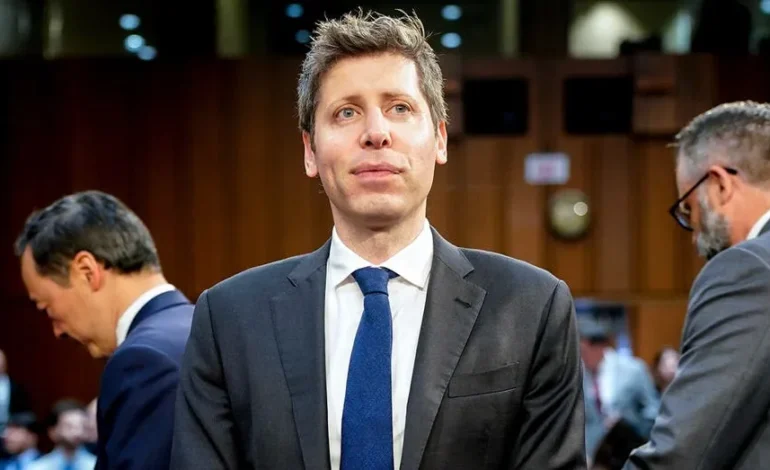

OpenAI CEO Sam Altman is reportedly exploring a significant proposal: offering the U.S. government a 5% stake in his artificial intelligence company. This potential deal, detailed in a report by the Financial Times, hinges on a crucial condition: other major AI competitors must agree to a similar public ownership arrangement. The initiative appears to be part of a broader discussion about how the burgeoning field of AI should benefit the American public.
Altman’s Vision for Public AI Ownership
Sources indicate that Altman met with former President Donald Trump, along with Commerce Secretary Howard Lutnick and Treasury Secretary Scott Bessent, to discuss a plan that would introduce a degree of public ownership to OpenAI. This outreach follows discussions Altman reportedly had with Senator Bernie Sanders, who has previously advocated for substantial public stakes in AI firms, suggesting that U.S. taxpayers could potentially own up to half of these companies. Altman’s underlying belief, according to the report, is that sharing ownership is the most effective method to distribute the economic advantages of the rapidly advancing AI sector among the American populace.
A Conditional Offer to Competitors
Altman’s proposal is not a unilateral move. He is understood to be seeking commitments from rival AI developers, including industry giants like Meta, Google, and Anthropic, to each contribute 5% of their companies to public ownership. Without such reciprocal action from his competitors, Altman is unlikely to proceed with offering a stake in OpenAI. This strategy aims to create a level playing field and prevent any single entity from gaining an undue advantage through exclusive public partnerships.
Anthropic’s Shifting Landscape
The report also touches upon Anthropic, the developer of the AI model Claude, a competitor to OpenAI’s ChatGPT. Anthropic has recently mended its relationship with the White House and the current administration, after experiencing a period of strained ties. Notably, the company was removed from a Pentagon blacklist concerning supply chain risks and is now actively collaborating with government officials. This development places Anthropic in a different position compared to its earlier standing, potentially influencing the dynamics of any future public ownership discussions.
Strategic Positioning and Precedents
Altman’s public ownership gambit is seen by some as a strategic move to avoid potential pitfalls, such as those that may have affected Anthropic, and to foster a positive relationship with former President Trump. By aligning OpenAI with a public ownership model, Altman could be positioning his company favorably within the American economic landscape. The Financial Times report draws a parallel to Intel, the microchip manufacturer, in which the U.S. government acquired a 10% stake in August 2025. This investment, made during a period when Trump had previously expressed criticism of Intel and its leadership, reportedly led to a smoother working relationship thereafter. This precedent, along with previous government acquisitions of equity in MP Materials and U.S. Steel, suggests a pattern of strategic government investment in key technological and industrial sectors.
The Urgency of Going Public
Both OpenAI and Anthropic are reportedly preparing to take their companies public in the near future. This impending transition is cited as a key factor driving Altman’s current discussions with the government. In the formative stages of the AI boom, influencing policy decisions related to AI development and deployment is seen as critical for the long-term success of major industry players. By engaging with the government now, Altman may be seeking to shape the regulatory environment and ensure OpenAI’s interests are well-represented as the industry matures.
Navigating the Future of AI Governance
The discussions surrounding public ownership of AI companies highlight a growing debate about how to manage and benefit from one of the most transformative technologies of our time. Altman’s proposal, while conditional, represents a significant step in exploring models that could ensure the widespread distribution of AI’s benefits. As companies like OpenAI and Anthropic move towards greater public visibility, their interactions with governments worldwide will undoubtedly play a crucial role in shaping the future trajectory of artificial intelligence and its integration into society.