



Seattle U.S. Attorney Fired Hours After Appointment by Judges
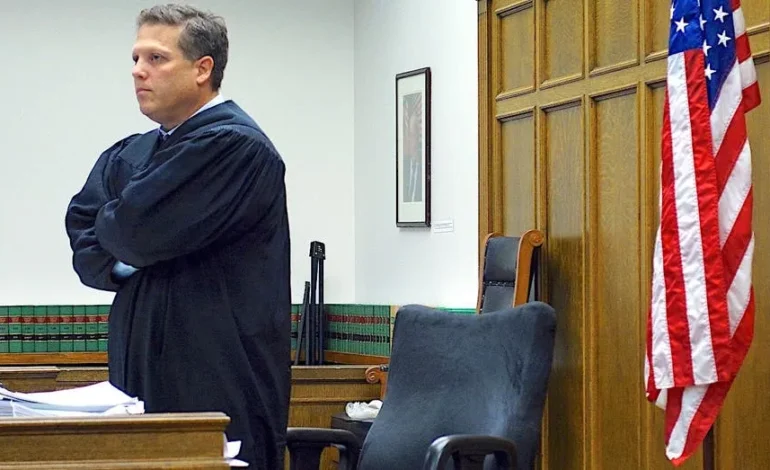

In a swift and unusual move, the Trump administration terminated the appointment of Roger Rogoff as the U.S. Attorney for the Western District of Washington just hours after he was sworn into the position by local federal judges. The dramatic dismissal unfolded on Wednesday, highlighting a significant clash over control of federal prosecutor appointments between the judiciary and the executive branch.
Judges Appoint Interim Prosecutor Amidst Administration Stalemate
Rogoff, a former King County Superior Court judge with extensive experience as a state and federal prosecutor, was appointed to the interim U.S. Attorney role by a panel of 17 active and senior federal judges in the Western District of Washington. This appointment occurred after the administration’s preferred candidate, Charles Neil Floyd, saw his 120-day interim term expire in February without a presidential nomination being sent to the Senate. The judges, who were appointed by five different presidents and represent a mix of Democratic and Republican appointees, initiated their own application process when the administration did not put forward a nominee for the vacant top prosecutor position.
Rogoff, 57, was officially sworn in before 8 a.m. local time at the federal courthouse in downtown Seattle. He then proceeded to the U.S. Attorney’s Office, reportedly seeking to meet with Floyd, who had been serving in an acting capacity. While Rogoff was awaiting a meeting in the lobby, he received an email informing him that President Trump had removed him from the post.
Administration Criticizes Judicial Appointment Process
The Acting Attorney General, Todd Blanche, publicly addressed the situation on the social media platform X while testifying before the Senate in his own confirmation hearing. Blanche asserted that while district court judges have the authority to appoint a temporary U.S. Attorney, the President retains the power to dismiss them. He criticized the judges for bypassing the customary process of consulting with the administration to ensure a candidate was suitable for the role.
“WDWA judges abandoned the time-honored process of consultation with the administration so that the selected U.S. Attorney is qualified to serve in the administration,” Blanche stated. “Roger Rogoff has been fired by the President.” Although Rogoff’s situation was not directly discussed during Blanche’s hearing on Wednesday, it is anticipated to become a topic of discussion during his ongoing confirmation proceedings.
A Pattern of Disputes Over Prosecutor Appointments
This incident in Seattle is not an isolated event. Similar disputes have arisen in other districts where federal judges have appointed interim U.S. Attorneys due to perceived inaction or obstruction from the Trump administration regarding nominations. In New Jersey, for instance, Alina Habba resigned as the top federal prosecutor after an appeals court ruled her service unlawful. Similarly, in Virginia, Lindsey Halligan departed an acting U.S. Attorney position following a judge’s determination that her appointment was invalid, leading to the dismissal of indictments she had brought.
U.S. Attorneys are typically nominated by the President and confirmed by the Senate, serving as the chief federal prosecutors within their respective districts. Federal law permits the Attorney General to designate an interim U.S. Attorney for a period of 120 days. If this period concludes without a Senate-confirmed nominee, district judges are empowered to appoint someone to fill the vacancy until a permanent selection is made.
Rogoff himself expressed his disappointment with the process, telling The New York Times, “I don’t think it’s the way to run the Department of Justice. When you have this sort of made up way of putting people in these positions, the process breaks down.” He acknowledged that he anticipated the administration might remove him swiftly but stated he had no regrets about accepting the judges’ appointment, calling the role of U.S. Attorney “the best job there is.”
Political Reactions and Legal Considerations
Senator Patty Murray, a Democrat representing Washington state, voiced strong opposition to Rogoff’s abrupt dismissal. She praised Rogoff’s career and affirmed the legality of his appointment by the federal judges. “This administration doesn’t want to deal with advice and consent — they just want to install cronies to carry out a corrupt political agenda,” Murray stated, criticizing the administration’s approach to appointments.
Conversely, officials within the Trump administration have argued that the Senate’s “advise and consent” role should not serve as an insurmountable barrier to the President’s agenda and nominees, particularly when they believe opposition is politically motivated. Rogoff has reportedly engaged employment law counsel and is reportedly considering legal action regarding his termination.
Rogoff’s Pride in Judicial Trust
Despite the tumultuous circumstances of his brief tenure, Rogoff conveyed a sense of pride in his career and the trust placed in him by the district’s judiciary. “I’m really proud of my career,” he remarked. “The fact that the judges of this district — most of whom I’ve spent my career appearing in front of, or trying cases against, or working with — believed that I was the right person to do this work is just really humbling and amazing.” His appointment and subsequent firing underscore the ongoing tensions surrounding prosecutorial appointments in politically charged environments.