



Lawmakers Divided on Trump’s Iran Deal, Citing Enforcement Concerns

Capitol Hill Divided Over Trump’s Proposed Iran Agreement
Lawmakers are expressing a range of opinions regarding President Donald Trump’s recent proposed deal with Iran. While some herald it as a significant step towards preventing a nuclear-armed Tehran, others voice apprehension that the agreement could provide Iran with substantial financial resources without sufficient oversight, potentially bolstering its nuclear program and funding hostile activities.
Supporters Highlight Progress in Nuclear Program Disarmament
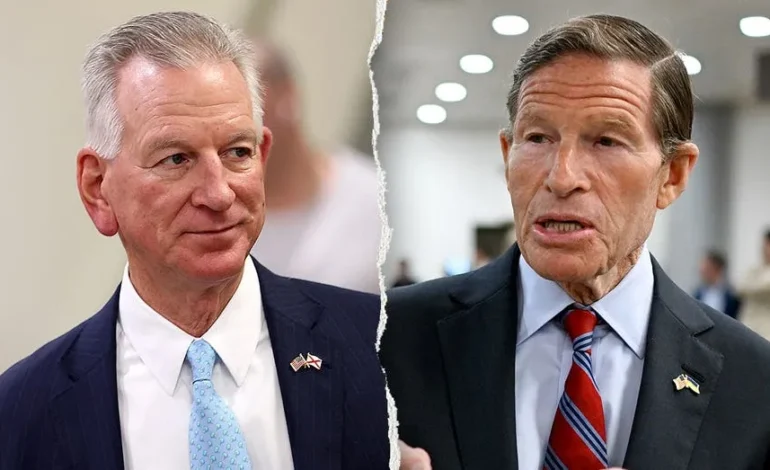
Senator Thomas Tuberville, Republican of Alabama, indicated that the proposed deal represents forward movement, particularly in its aim to curtail Iran’s nuclear ambitions. “They never can have nuclear weapons and we don’t have troops on the ground and we made a lot of progress,” Tuberville stated, emphasizing the commitment to preventing Iran from acquiring nuclear weapons without the deployment of American forces.
Skeptics Raise Concerns Over Enforcement and Funding
Conversely, many are questioning the robustness of the agreement, specifically its enforcement mechanisms throughout the 60-day negotiation period. Concerns have been raised that the deal may delay critical nuclear discussions and may not grant sufficient authority to compel Iran’s compliance with its terms. Senator Richard Blumenthal, Democrat of Connecticut, echoed these sentiments, expressing deep worry about the potential allocation of billions of dollars towards entities like Hezbollah and other proxy groups, as well as the possibility of reinvestment in Iran’s nuclear infrastructure. “I am deeply concerned that we are giving Iran the benefit of hundreds of billions of dollars that can be spent on Hezbollah and other maligned proxies, as well as rebuilding its nuclear program,” Blumenthal remarked. “And the lack of any inspection or verification.” He further characterized the agreement as a “surrender” by the United States rather than by Iran.
Deal Includes Sanctions Relief and Access to Frozen Funds
The agreement, finalized on Thursday, reportedly includes provisions for immediate sanctions relief and access to previously frozen Iranian assets. Senator John Hoeven, Republican of North Dakota, suggested that the framework could pave the way for U.S. success, but stressed the critical importance of stringent enforcement during negotiations. “From the beginning I said the key is going to be enforcement,” Hoeven said. “So as we go through this negotiation, the key is going to be how do we enforce it?” He also called upon international allies to share the burden of ensuring compliance throughout the 60-day timeframe. “I think some of our allies need to step up and join us,” Hoeven urged. “They have a big dog in this fight so they need to join with us because that enforcement mechanism is going be key, I believe, to getting the kind of outcome that we want.”
Some Lawmakers Await Further Review
A number of senators indicated they had not yet thoroughly reviewed the memorandum of understanding (MOU), opting to withhold comment until a comprehensive assessment could be made. “I’m going to disappoint you,” Senator John Kennedy, Republican of Louisiana, commented. “I’m about a half way through reading the actual MOU and I want to read it several times to try to digest it.”
Comparison to Previous Agreements
Many Democrats are drawing comparisons to the Obama-era Joint Comprehensive Plan of Action (JCPOA), which President Trump withdrew from during his first term, suggesting the current deal may be less effective. “I think it looks worse than the Obama deal right now,” Blumenthal stated. “More money goes to Iran, lifting of sanctions, no verification.”