



USA Volleyball Eyes Policy Shift Amid Transgender Athlete Eligibility Debate
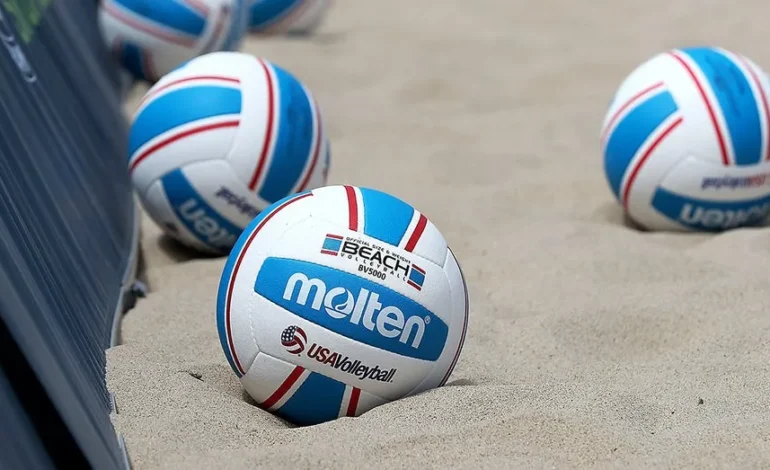

USA Volleyball is signaling potential changes to its policies regarding sex testing, aiming to safeguard the integrity of the women’s category in competitive sports. This comes as several families with daughters in USA Volleyball-sanctioned leagues have voiced significant concerns about their children competing against transgender athletes, particularly those who were assigned male at birth.
Navigating a Complex Issue
In a joint statement released on July 28, USA Volleyball, the International Volleyball Federation (FIVB), and members of the U.S. Women’s National Team indicated they have found a “constructive path forward” following discussions about the implementation of genetic screening. The organizations reported a “shared understanding” regarding the sex-determining region Y (SRY) screening process, which is used to determine eligibility for the female category in international competitions.
The statement highlighted that “following a series of productive discussions, the FIVB, USA Volleyball, and members of the USA Women’s National Team (WNT) are pleased to confirm a shared understanding and a constructive path forward regarding the concerns raised in relation to the SRY screening process.” It further noted that the FIVB “responded immediately by meeting with USA Volleyball and adapting its procedures to address these concerns” after the WNT initially raised issues related to communication, athlete privacy, and procedural safeguards.
While the statement did not announce an immediate halt to SRY screening or a revision of the core eligibility standard, it emphasized a commitment to improving how the testing is communicated and administered. The organizations plan to continue collaborating on process enhancements.
Background of the Policy Debate
This dispute emerges in the wake of the International Olympic Committee’s (IOC) March 2026 policy, which establishes eligibility for the female category at the Los Angeles 2028 Olympics and other IOC-sanctioned events. Under this policy, eligibility for the female category is limited to individuals identified as biological females, determined through a one-time SRY gene screening. The IOC has clarified that this policy is not retroactive and does not extend to grassroots or recreational sports.
The FIVB integrated SRY screening into its 2026 Sports Regulations. These rules stipulate that the presence of a Y chromosome initially places a player in the male category. Conversely, its absence makes a player eligible for the female category. The regulations also include a provision allowing a player to seek a reclassification by demonstrating that no competitive advantage would be gained. It is important to note that these FIVB regulations apply specifically to FIVB, world, and official competitions organized by the international federation and its affiliated bodies. Eligibility rules for domestic club competitions are left to the discretion of each national federation.
Concerns at the Domestic Level
This distinction between international and domestic rules has become a focal point for several families. Three families have come forward, sharing their experiences of their daughters competing in USA Volleyball-sanctioned leagues alongside an athlete they allege is biologically male. These families claim that an amended birth certificate was accepted as the definitive document for eligibility, despite their assertion that the athlete’s sex at birth was male.
USA Volleyball’s current Gender Competition Policy states that athlete members are expected to participate in USAV-sanctioned events “as a member of the gender assigned at the time of birth on their birth certificate.” However, the policy also acknowledges that the gender recorded for competition purposes “has not officially been verified.” While the specific league and individuals involved have not been named to protect privacy, the families’ accounts highlight a deep-seated concern about fairness and the protection of opportunities for female athletes.
Athlete and Parent Testimonies
The families shared their perspectives, emphasizing the perceived unfairness and emotional toll of these situations:
- Athlete 1 expressed frustration over biological differences, stating, “I’ll never jump as high as [the alleged biological male athlete] can. No matter how much training I do, I’ll never be able to do what [the alleged biological male athlete’s] body can do.” The athlete also noted feeling labeled “transphobic for being against all the things that I just said and it’s just facts.”
- Athlete 1’s Mother described the experience as “heartbreaking” and compromising the “integrity of the competition.” She lamented the feeling of having “no choice but to accept it” and hoped USA Volleyball would remain “committed to keeping the female division exclusively for female athletes.”
- Athlete 2 stated, “It is simply unfair. Male athletes already start with an advantage that no female athletes can reach, leaving a huge mental impact on the female players around them.” The athlete believes this situation “takes opportunities away from the female athletes” and is “against the law.”
- Athlete 2’s Mother found it “infuriating” to watch her daughter and teammates compete alongside an alleged biological male athlete, feeling that “the work that the girls are putting in is futile.” She expressed concern about the message being sent to young women about their worth and future opportunities.
- Athlete 3 felt “extremely humiliating as a female athlete” when competing against an athlete with perceived physical advantages, noting, “No matter how hard I worked at getting better, I knew I could never be as good as [the alleged biological male athlete].” This athlete has lost trust in the organizations, feeling defeated and discouraged.
- Athlete 3’s Mother stressed the need for “clear, consistent methods for verifying athlete eligibility,” arguing that solely relying on birth certificates is insufficient when policies are intended to be based on biological sex at birth. She witnessed her daughter and teammates feel “humiliated and discouraged” due to perceived physical advantages.
- Athlete 3’s Father was “outraged” by the situation, believing that rules were not consistently enforced. He recounted presenting evidence to local leadership, only to be told that an amended birth certificate would be accepted, despite the policy being based on sex assigned at birth. He emphasized that the issue is about “fairness, accountability, and expecting organizations to enforce the policies they put in place.”
Looking Ahead
The families’ accounts underscore a broader debate about fairness, inclusion, and the definition of categories in women’s sports. While international bodies like the FIVB and IOC are refining their approaches to sex-based eligibility, the concerns raised by these families highlight the challenges faced at the domestic level. USA Volleyball’s acknowledgment of these concerns and its suggestion of policy adjustments indicate a willingness to address the complexities involved, aiming to balance competitive fairness with evolving societal perspectives.