



When to Get a New Dog After Losing a Beloved Pet
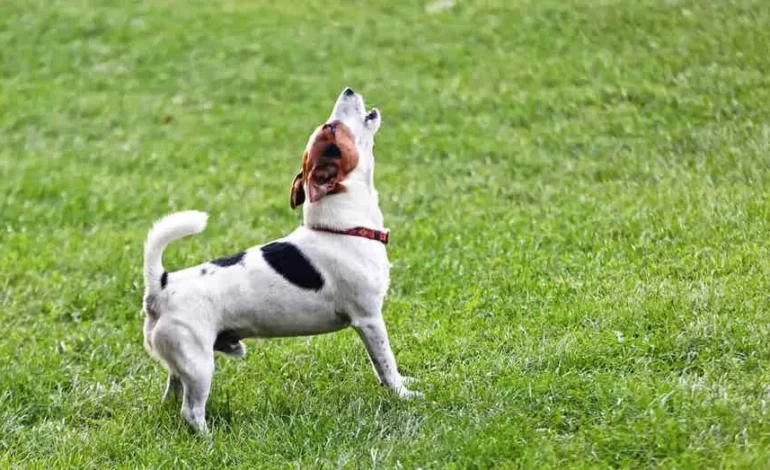

The question of when to welcome a new dog into the family after the loss of a cherished pet is a deeply personal one, often fraught with complex emotions. For many, the grief of losing a four-legged companion lingers, making the idea of a “replacement” feel premature, if not outright unthinkable. Yet, the desire for canine companionship and the potential benefits for remaining pets and children can complicate the timeline.
Navigating the Emotional Landscape of Pet Loss
Losing a dog, especially one who has been a significant part of the family for years, leaves an undeniable void. The routines built around that pet – the morning walks, the evening cuddles, the playful antics – are suddenly gone, leaving behind a quiet that can be deafening. For some, like the author who recently lost his lab mix, Rooney, after six years together, the grief is still palpable months later. Mundane tasks can trigger poignant memories, a constant reminder of the hole left in their lives.
This profound sense of loss can make the suggestion of getting a new dog feel jarring. The initial reaction might be one of resistance, even disgust, at the thought of bringing another animal into the home so soon. It can feel like a betrayal of the bond shared with the departed pet, an attempt to quickly fill a space that still aches with absence.
Considering the Family’s Needs
However, the decision isn’t always solely about the surviving humans’ grief. Other family members, particularly young children, may have had their own developing relationships with the lost pet. The author grappled with the idea of his young son forming a new bond, only to potentially see the memory of Rooney fade as the new dog became more prominent in his life. This adds another layer of emotional complexity, as parents consider how to manage their child’s feelings and memories.
Furthermore, existing pets can also be affected by the loss of a companion. A remaining dog might experience anxiety or behavioral changes due to the absence of their pack member. The introduction of a new, energetic puppy into a household with an older or sensitive resident dog requires careful consideration to ensure a harmonious transition for all involved.
Differing Perspectives on Grief and Change
The timing of acquiring a new pet often highlights differing approaches to grief and change within a partnership. One partner might be more inclined to embrace change and move forward, seeing a new dog as a natural progression, while the other may need more time to process the loss and resist altering the established emotional landscape. This difference in temperament doesn’t necessarily reflect a lesser degree of love for the departed pet but rather a distinct way of navigating life’s transitions.
For instance, one spouse might view getting a new dog as a way to bring joy back into the home and provide a new companion for a child, seeing it as a positive step forward. The other might feel that rushing into a new pet disrespects the memory of the one lost and delays the necessary grieving process. Finding common ground requires open communication and a mutual understanding of each other’s emotional needs.
The “Appropriate” Timeline: A Myth or a Reality?
Ultimately, there is no universally “appropriate” time to get a new dog after losing a beloved pet. The timeline is dictated by a confluence of factors unique to each individual and family:
- The intensity of grief: How deeply the loss has affected each family member.
- The needs of surviving pets: Whether another dog would benefit from companionship.
- The presence of children: How a new pet might impact a child’s emotional development and memories.
- Relationship dynamics: The ability of partners to communicate and compromise on emotional matters.
- Readiness for a new commitment: The emotional and practical capacity to welcome a new animal.
Some experts suggest waiting until the initial, intense wave of grief has subsided, allowing for a period of reflection and adjustment. Others argue that if the desire for a new dog stems from a genuine love for animals and a readiness to provide a good home, the exact number of months or years is less important than the emotional preparedness.
Moving Forward with Love
The decision to bring a new dog into the home should never be seen as replacing the one who passed. Instead, it can be viewed as honoring the love and joy that pets bring into our lives, creating new memories while cherishing the old. A new dog won’t erase the memory of the pet who is gone; rather, they can become a cherished part of the family in their own right, filling a different space and bringing their own unique personality.
It’s a journey that requires patience, empathy, and open dialogue. Sometimes, the “right” time isn’t a date on a calendar but a feeling – a sense that the heart has made space for new love, without forgetting the old. It’s about finding a balance between honoring the past and embracing the future, ensuring that the decision is made with love and consideration for everyone involved, both human and canine.