



Xbox CEO Joins Fed Task Force Amid Layoff and Hiring Controversy
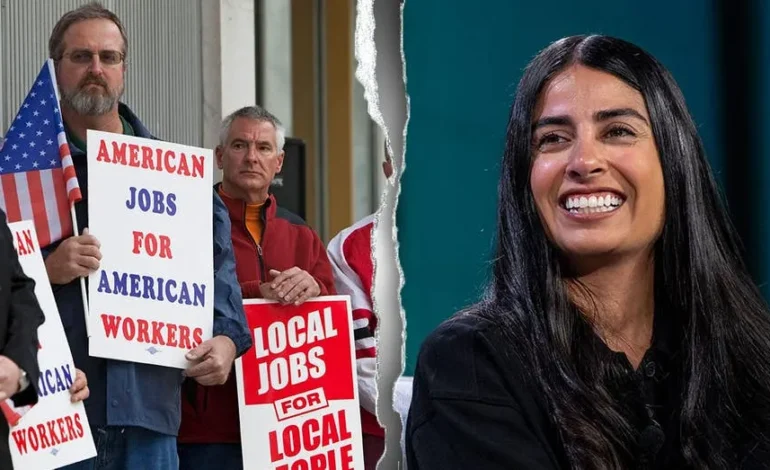

Asha Sharma, the chief executive of Microsoft’s Xbox division, has been appointed to a new Federal Reserve task force focused on productivity and jobs, a move that has ignited fresh controversy. The appointment comes just days after Sharma announced significant layoffs at Xbox, while the company also secured approval to hire thousands of foreign workers on H-1B visas. Critics argue the timing and Sharma’s inclusion are deeply problematic, raising questions about the central bank’s priorities and its perception of corporate labor practices.
Controversial Appointment Amid Layoffs
The Federal Reserve unveiled its new advisory task forces on Thursday, designed to examine ways to improve the central bank’s performance and policy approaches. Sharma was named to the “Productivity and Jobs” task force, a group that also includes prominent figures like Marc Andreessen, co-founder of venture capital firm Andreessen Horowitz, and Charles I. Jones, an economics professor at Stanford University. Federal Reserve Chairman Kevin Warsh stated that the task forces aim to bring together “the best minds from a range of disciplines” to sharpen the institution’s effectiveness.
However, the timing of Sharma’s appointment has drawn sharp criticism. Earlier in the week, Microsoft confirmed plans to lay off approximately 4,800 employees across various divisions. The Xbox division, led by Sharma, was part of these reductions, with reports indicating around 1,600 workers were affected. This wave of job cuts occurred shortly after Microsoft received approval to hire 2,273 foreign employees under the H-1B visa program, according to data from U.S. Citizenship and Immigration Services (USCIS).
The juxtaposition of mass layoffs with the simultaneous pursuit of foreign labor has fueled public outrage. Critics, who had already been vocal about the perceived replacement of American workers with H-1B visa holders, intensified their condemnation following the Federal Reserve’s announcement.
Public Reaction and Accusations
Online commentary quickly turned critical, with many expressing disbelief and anger. Comparisons were made to public figures known for illicit activities, such as one widely shared comment likening the appointment to “asking El Chapo to lead the DEA.” Others suggested the Federal Reserve’s move implicitly “incentivizes” companies to lay off American workers in favor of foreign talent, with one user quipping, “The Federal Reserve needs help firing Americans.” The decision was broadly labeled “totally unexplainable” by some observers.
Further complicating the narrative are claims that the H-1B visa program disproportionately benefits workers from India, and that this has a racial dimension. While Sharma herself was born in Wisconsin and has Indian heritage, some critics have pointed to her background and questioned her qualifications for both her role at Xbox and her new advisory position at the Federal Reserve. One online commentator asserted that Sharma’s primary function was to “purge white Americans and replace them with Indian cheap foreign labor,” a sentiment that reflects a broader, often contentious, debate surrounding immigration and employment policies.
These criticisms highlight a growing tension between corporate cost-saving measures, the utilization of foreign worker programs, and the economic well-being of the domestic workforce. The debate over H-1B visas often centers on whether they are used to fill genuine labor shortages or to undercut wages and displace American workers.
Microsoft’s Stance and Government Investigations
In response to the backlash, a Microsoft spokesperson issued a statement emphasizing that the company’s layoff decisions are driven by business needs, not by visa status. “These decisions are based on business need, not visa status,” the spokesperson insisted. “H-1B employees were also impacted by job eliminations in the U.S.,” they added, suggesting that the workforce reductions were not exclusively targeted at U.S. citizens.
Meanwhile, the controversy unfolds against a backdrop of increased government scrutiny of the H-1B program. Vice President JD Vance announced on Tuesday that the Department of Labor has initiated dozens of subpoenas and investigations into alleged fraud within the H-1B visa system. “American jobs ought to go to American workers and not foreign fraudsters, and the Department of Labor is fighting back against it,” Vance stated during a press conference in Milwaukee, Wisconsin, underscoring a political push to address perceived abuses of the program.
The Federal Reserve’s Mandate and Future Considerations
The Federal Reserve operates under a dual mandate from Congress: to promote maximum employment and maintain stable prices. The task forces, including the one Sharma will join, are intended to help the central bank better achieve these goals. Chairman Warsh’s statement emphasized the Fed’s “unwavering” commitment to its mandate and its resolve to “pursue our mandate with rigor.”
The inclusion of Sharma on the “Productivity and Jobs” task force, despite the ongoing public debate surrounding her company’s employment practices, is likely to remain a point of contention. As the task force convenes, its deliberations on productivity and employment will be closely watched, particularly in light of the corporate and public relations challenges faced by executives like Sharma. The central bank faces the delicate task of navigating complex economic issues while maintaining public trust and addressing concerns about fairness in the labor market.
The broader implications of these developments extend to the ongoing discussion about the role of foreign worker programs in the U.S. economy, the responsibilities of major corporations during economic downturns, and the effectiveness of regulatory oversight. The Federal Reserve’s decision to appoint Sharma underscores the intricate interplay between corporate leadership, government policy, and public perception in shaping the future of work.